
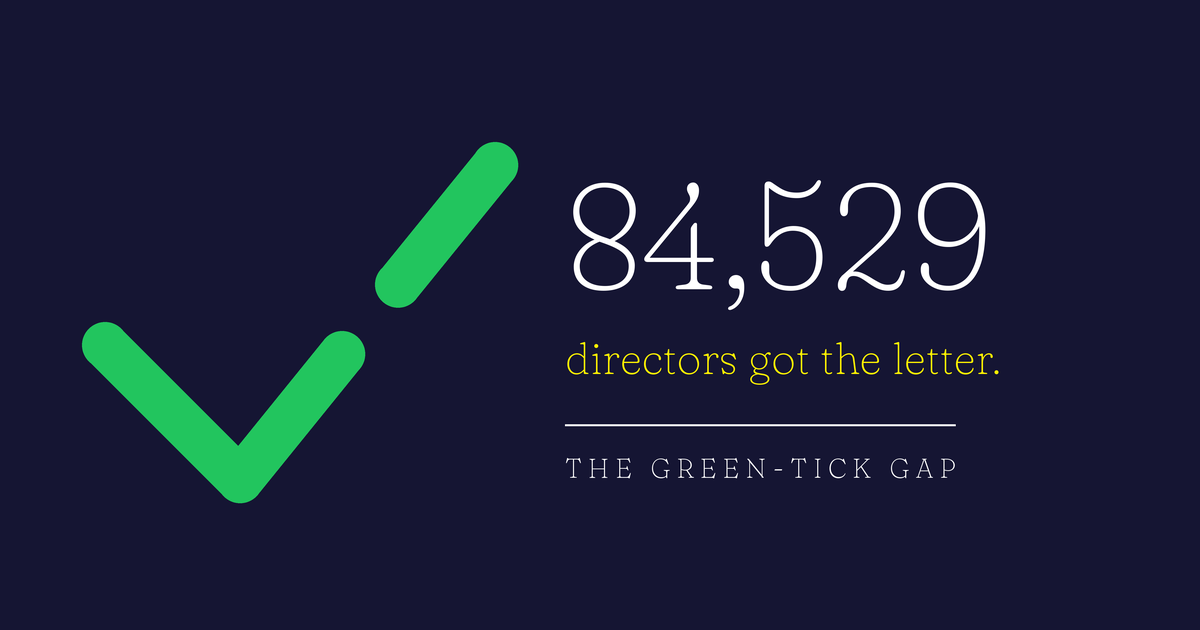
84,529.
That's how many director penalty notices the ATO issued last financial year, covering $5.5 billion in unpaid liabilities. The year before, it was 26,702. That's a 136% jump, and it was enough to trigger a formal review by the Tax Ombudsman into whether the ATO is overusing its sharpest debt collection tool. That review starts this month.
So does payday super.
The watchdog is investigating whether the weapon is being fired too often, in the same month the weapon gets a bigger magazine.
The change project you didn't schedule
If you run a business in Australia, you are mid-project right now whether you planned one or not. July 1 landed payday super, award wage rises of 4.75% with the minimum wage now at $26.44 an hour, mandatory SMS sender ID registration, a tax bracket cut, and new anti-money laundering obligations that just swept in lawyers, accountants, real estate agents, and jewellers.
You didn't scope this project. You didn't pick the go-live date. The project sponsor is the ATO, and the ATO doesn't run retrospectives. It runs penalty notices.
Nearly every operator I talk to is treating this as a payroll configuration task. Update the software, tick the box, back to real work. And the software vendors are happy to encourage that, because "we handle it for you" is the whole pitch.
The software is not the project. The software was never the project.
The Green-Tick Gap
Name the mechanism: the Green-Tick Gap. It's the distance between the system saying done and your people actually doing the thing differently.
The config screen shows a green tick. Super now goes out with every pay run. Compliant, right up until you learn that your payroll officer is still batching approvals fortnightly because that's how she's always done it, the super file sits in a queue she clears when she gets to it, and payday super gives contributions seven business days to land in the fund - not seven days to leave your account whenever someone gets around to it.
Under the old regime, that gap was survivable. The super guarantee charge was self-assessed, which meant becoming liable required you to lodge a statement confessing the miss. The ATO found out when you told it.
That's gone. From July 1, the ATO assesses the charge itself, directly from your Single Touch Payroll data (the per-pay-run report your payroll software already sends the ATO), with penalties running up to 200%. Non-compliance no longer requires a confession. It's visible in the feed, pay run by pay run, and it has a personal address attached: yours. That's what a director penalty notice is - the moment a company's compliance gap becomes a director's potential personal debt.
Which brings us back to 84,529, and why that number is forecast to grow.
Where workarounds come from
We’ve run projects where a large platform implementation failed to gain traction because the organisation did not invest in bringing the staff along with the process. Corners were cut, and the org was surprised when morale fell through the floor because staff couldn’t do their jobs with the new system. In a larger org, the challenge can be to bring the staff along with new workflows, new ways of doing things that bring efficiency, but require trust in the new process in order for staff buy-in.
This is a process that requires specific work by the organisation. It is not an ‘also-ran’ task. It is a major part of any new project, and is doomed to failure without proper planning.
And that failure shows up in longer implementation and staff adoption times, dissatisfied and frustrated staff, organisational improvement KPIs that are not met. Lost time, lost money, lost confidence!
I've written before about what workarounds cost. The Perception Check: Systems calculator exists because workarounds are a payroll expense hiding in plain sight - hours of human labour spent routing around systems that were bought to save that exact labour.
Here's the addendum July 1 forces: workarounds are not a systems problem. They're a change problem. A workaround is what a person invents when change is done to them instead of with them. Nobody works around a process they helped design. They work around the thing that arrived by email on a Friday with a training video attached.
And as of this month, one whole category of workaround - the payroll kind - is no longer hidden. You needed a calculator to see what workarounds cost you. And if you get it wrong, the ATO is going to come knocking.
The D question
Regular readers know where this goes.
A compliance deadline is a forced change project. You got three years' notice on payday super. The legislation was public, the vendors built for it, and the ATO published fact sheets in plain English. If your organisation absorbed that change and your people are genuinely doing the new thing, congratulations - you've passed a change management stress test you didn't know you were sitting.
If instead your green ticks are hiding workarounds, you've just learned something more valuable than anything in the 2026-27 budget papers: your organisation cannot yet metabolise change it didn't choose.
Now ask the MAD question. A Different move - the only kind that builds a Transformational and Compounding business - is change you choose, with no legislated deadline, no vendor roadmap, and no regulator forcing the issue. It runs entirely on your organisation's ability to bring people along. It is a proactive step - it’s not something forced on the business.

Book 30 minutes with whoever runs your payroll. Not a status update - a walk-through. Have them share their screen and take you through one actual pay run since July 1, click by click.
Count the steps that happen outside the system: the spreadsheet on the side, the manual check, the "oh, and then I just...". Every one of those is a workaround, and from this month, the payroll ones report to the ATO before they report to you.
Then ask them one question: what would make this easier? Write down the answer. That's your change project. The real one.
Annnnd, GO!
Ben
#BeAVillager